With the most recent technological developments, making films and photographs has become cheaper and easier than ever. In the 1960s, Fellini and Tarkovsky and Ozu had to work with huge cameras and large crews and meticulously planned tracking shots in order to do camera movements that today anyone can do much more easily with a similar level of quality and much less equipment. By all accounts, we should be living in a golden age of audiovisual creation.
But are we?
Well, if you mean by that a golden age of mindless “entertainment” or “content”, I suppose it is true. Each platform offers literally millions of new trash every day. But I am old enough to remember a time when film was considered something of an art, and there seems to be little of it today. Things are produced today and forgotten tomorrow. I suppose this is generally true of every age — even in the so-called classic era of Hollywood a lot of bad or forgettable movies were produced as well, it’s just that we only remember the good ones — but “art movies” have become basically a forgotten genre. And even the few of those that are still done today are usually not very good. No modern Ozus, Tarkovskys or Fellinis anywhere.
It could be that quantity and quality are inversely proportional. The same is true of literature, by the way — it is easier than ever to publish, or at least self-publish, but I can’t remember the last novel that caused any kind of impact, the type of impact that novels such as Dostoevsky’s or Flaubert’s or even Joyce’s had in their time. The more we publish, the less we read?
I think the same is true of photography. The other day I entered by chance into an exhibition of old photographs and…
But wait. About that “by chance”…
Sometimes it happens to me, and perhaps it may happen to the reader too, I don’t know, that odd coincidences start to happen in a row. For example, the other day I bought a copy of the “Fioretti di San Francesco” (The Flowers of Saint Francis1), a classic book about the beloved saint, and, from then on, even though it is not really a very well-known book, I started to read or hear mentions to the Fioretti several times, almost in every other book or article that I picked up “by chance”.
Then, a few weeks later, a book by Simone Weil called out to me from the corner of a bookstore. (I cannot really describe it any other way — sometimes I am in a bookstore or library and a random book will call my attention). I was aware of Simone Weil but I had never read anything by her. Anyway, of course I bought the book, and guess what? Also in it there was a mention to the Flowers of Saint Francis.
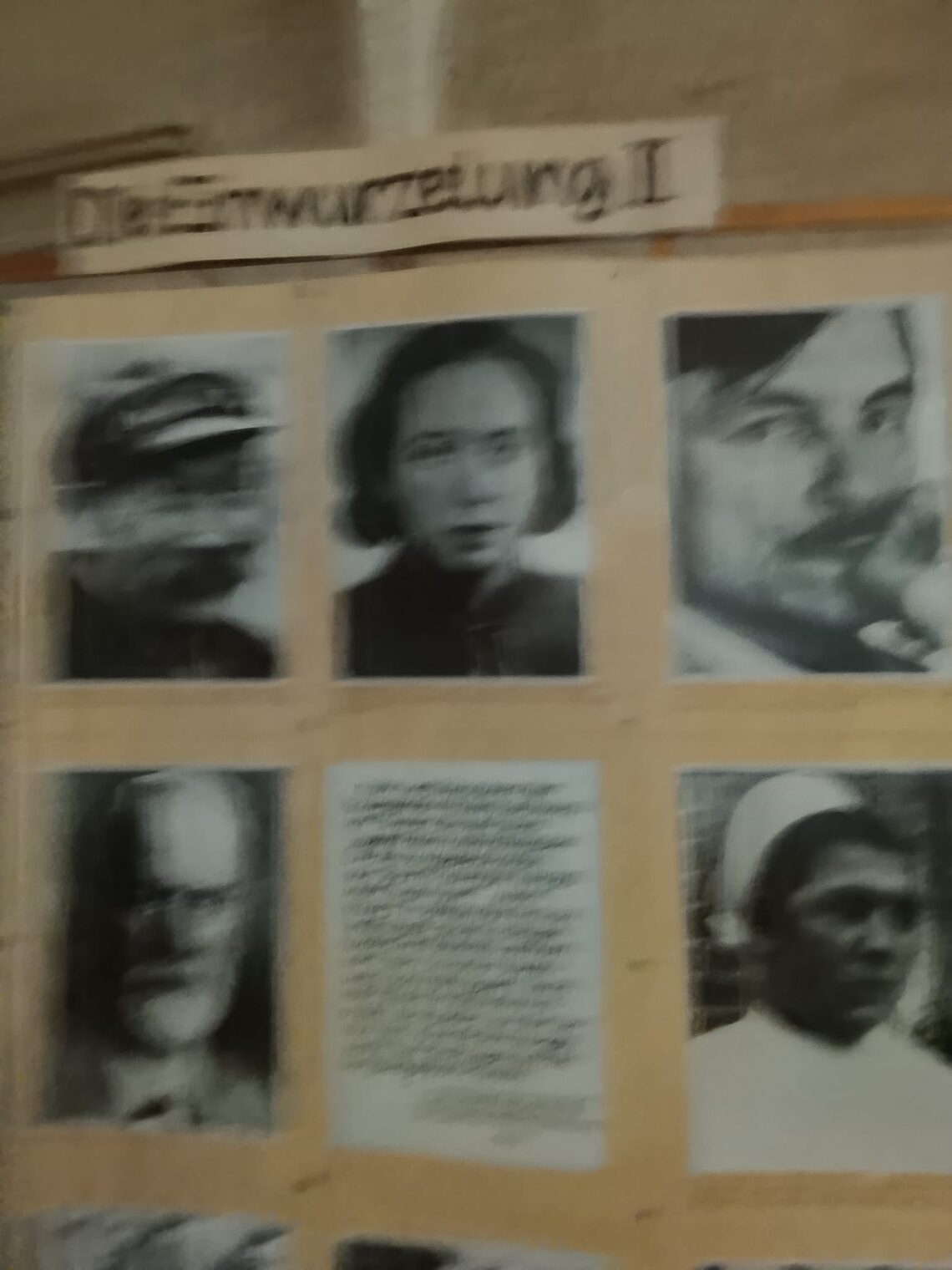
But that’s not all, because a few days later I went to visit this medieval church somewhere in the countryside in a forsaken part of Germany, and, unexpectedy, there was a photography exhibition there — the exhibition I was mentioning a few lines above — and the theme of the exhibition was, no, not The Flowers of Saint Francis, but Simone Weil.
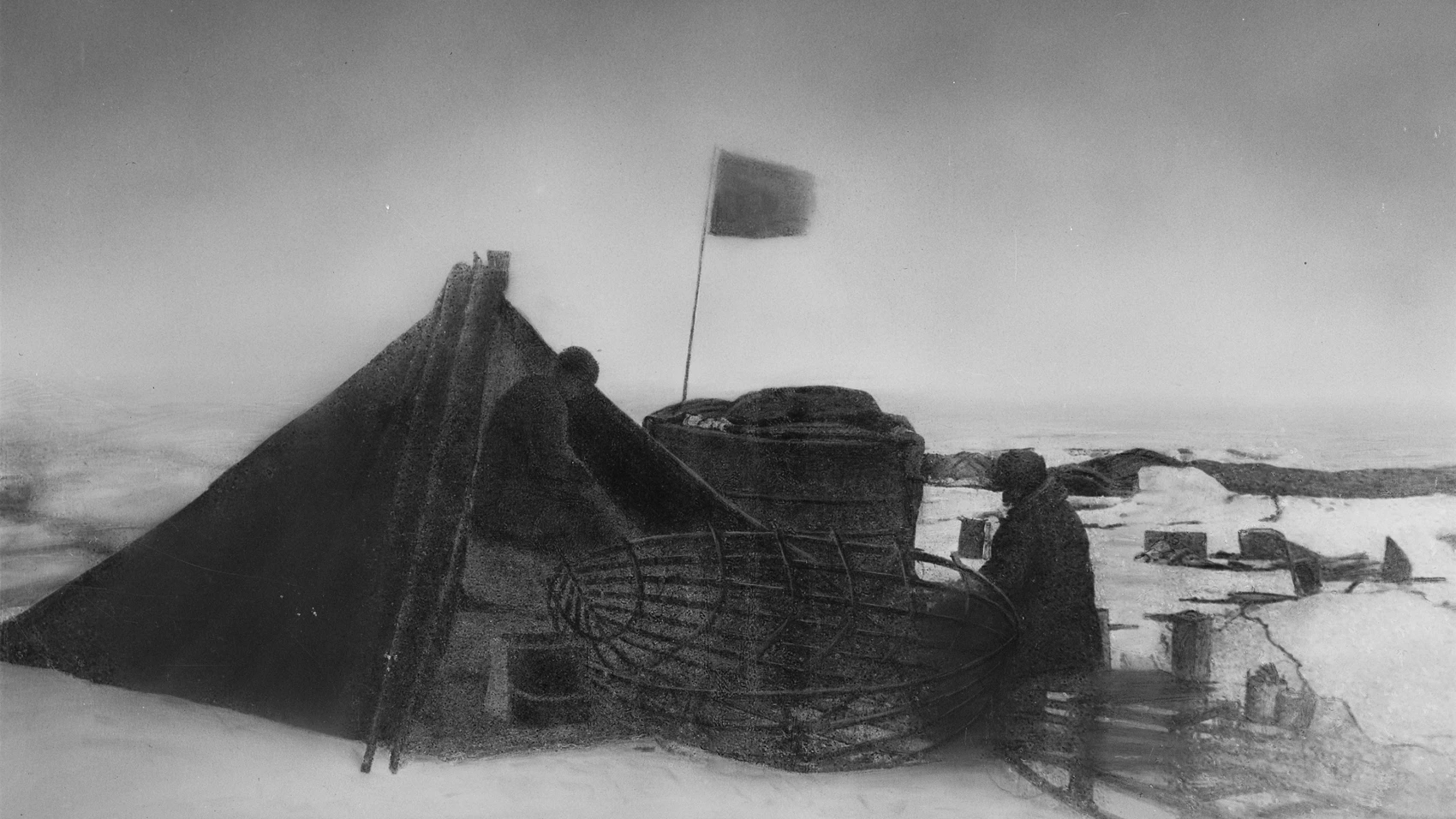
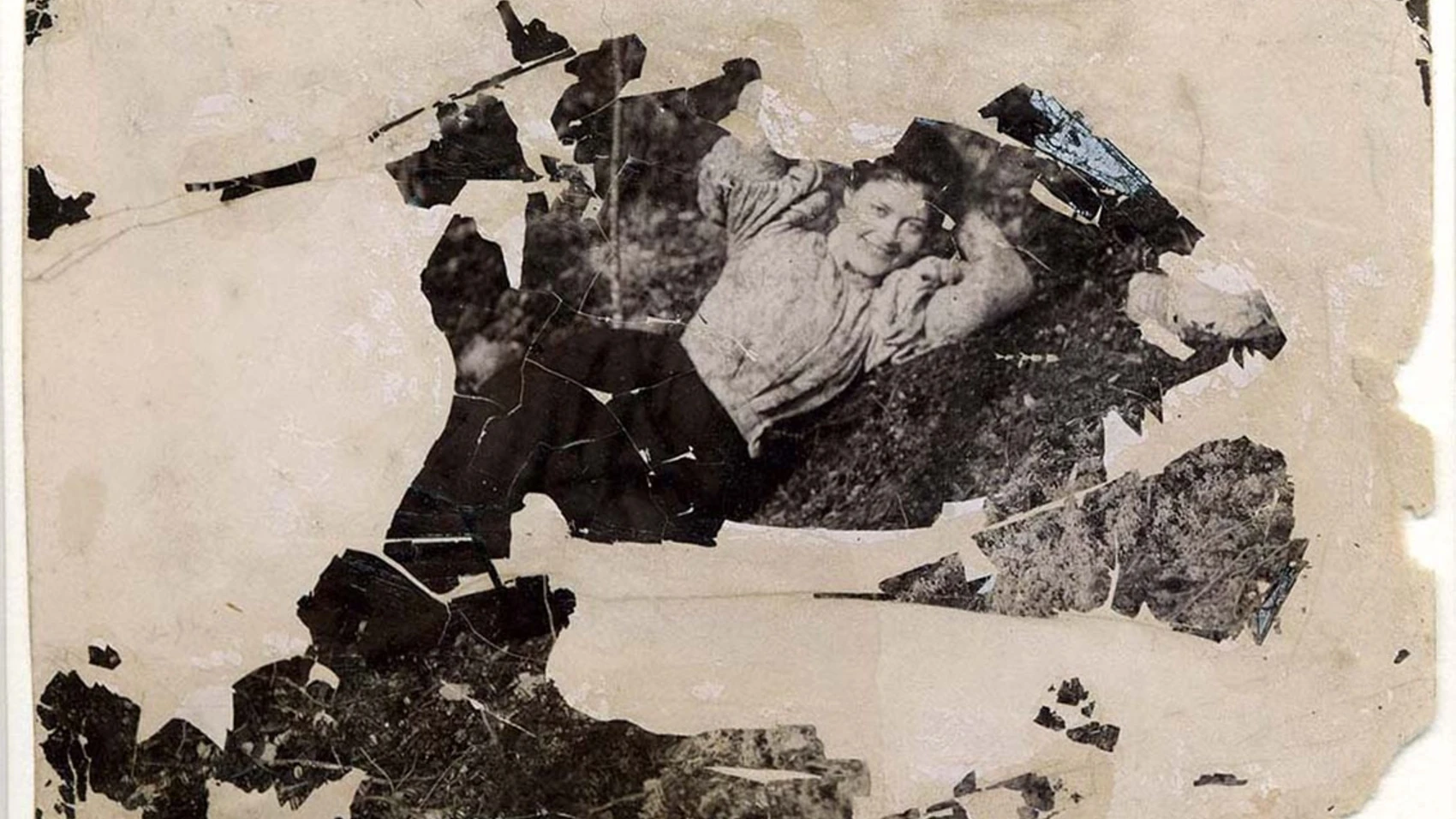
Well, it wasn’t really a photographic exhibition about Simone Weil (she appeared in only one picture), but a text of hers was used as the leitmotif for the exhibition. The photographs were historical black and white images, mostly by classic photographers of the twentieth century.
And what called by attention was how beautiful and significant most of those pictures were.
It could be just the black and white. Black and white pictures tend to have a quality that very few colour photographs manage to have (perhaps inventing colour photography was a mistake).
It could be also that they showed a different time. The past has an enchantment all of its own. It could also be that it was harder to make photographs back then. I’m no fan of the so-called “Frankfurt school” (more like the “Jerusalem school”), but perhaps Walter Benjamin was onto something with that thing about the “mass production of works of art”. Today we take literally millions of photographs every week and post them on social media, but how many of those images are really memorable?
I still remember a time in my childhood when taking pictures happened only on special occasions. I have few pictures of my childhood, even fewer pictures of my grandparents, and only two pictures of my Italian great-grandmother, whom I never met in real life. But they are all hugely significant. I can’t say the same of any recent picture I took with my phone.
Anyway, the exhibition was very beautiful and so it prompted me to write this slightly confusing text about the beauty of old pictures and old films.
(But perhaps all this was really just to explain that I occasionally publish an old-fashioned magazine of literature and art, that it is printed in actual paper instead of online, that you can’t really share on your social media feeds, and that while this edition doesn’t contain many black and white photographs, it tends to favour classic art and classic writing? The theme of the latest edition is the end of the world. You can purchase a print copy here, if you so wish.)
p.s. Or perhaps I am just growing old, and so I tend to like old things. Who knows?